BLOGGER TEMPLATES AND TWITTER BACKGROUNDS

Have a play on our drums!

Dave the Minion

Tuesday, 10 March 2015

Why do we water plants?

We're finding out what plants need to survive. 
We know plants need water, so we conducted an experiment to find out where the water travels. When a plant sucks up the water through its roots, where does it go next?

To conduct the experiment, we used cos lettuce leaves, food colouring, cups, water and small things that will hold the cups down (like coloured beans or marbles)
We put one lettuce leaf in each cup of different coloured water, and we waited a day.


The next day, we noticed that some parts of the lettuce leaves had changed colour! After the roots did its job of sucking up the water, we could see where the water had gone to next, through the leaves to hydrate them! On the left are leaves 'before' the experiment, on the right is 'after' the experiment.


So we know what the roots do, we know what the water is for. Our next objective is to find out why leaves are important and what their job is.

Pretty potted plants!

Three weeks ago we sowed our seeds, and we were very excited to return to school after the first weekend, and discover that our seeds had sprouted!! It only took five days!!


These next photos are one and a half weeks later. 
The sunflowers are the plants with the two leaves and they are the tallest.
The beans are the leaves sticking upwards. 
The wild flowers are the smallest.


Thursday, 26 February 2015

Sowing seeds

This term, our topic is How Things Grow, and we are focusing on plants.

These are the seeds that we are sowing.


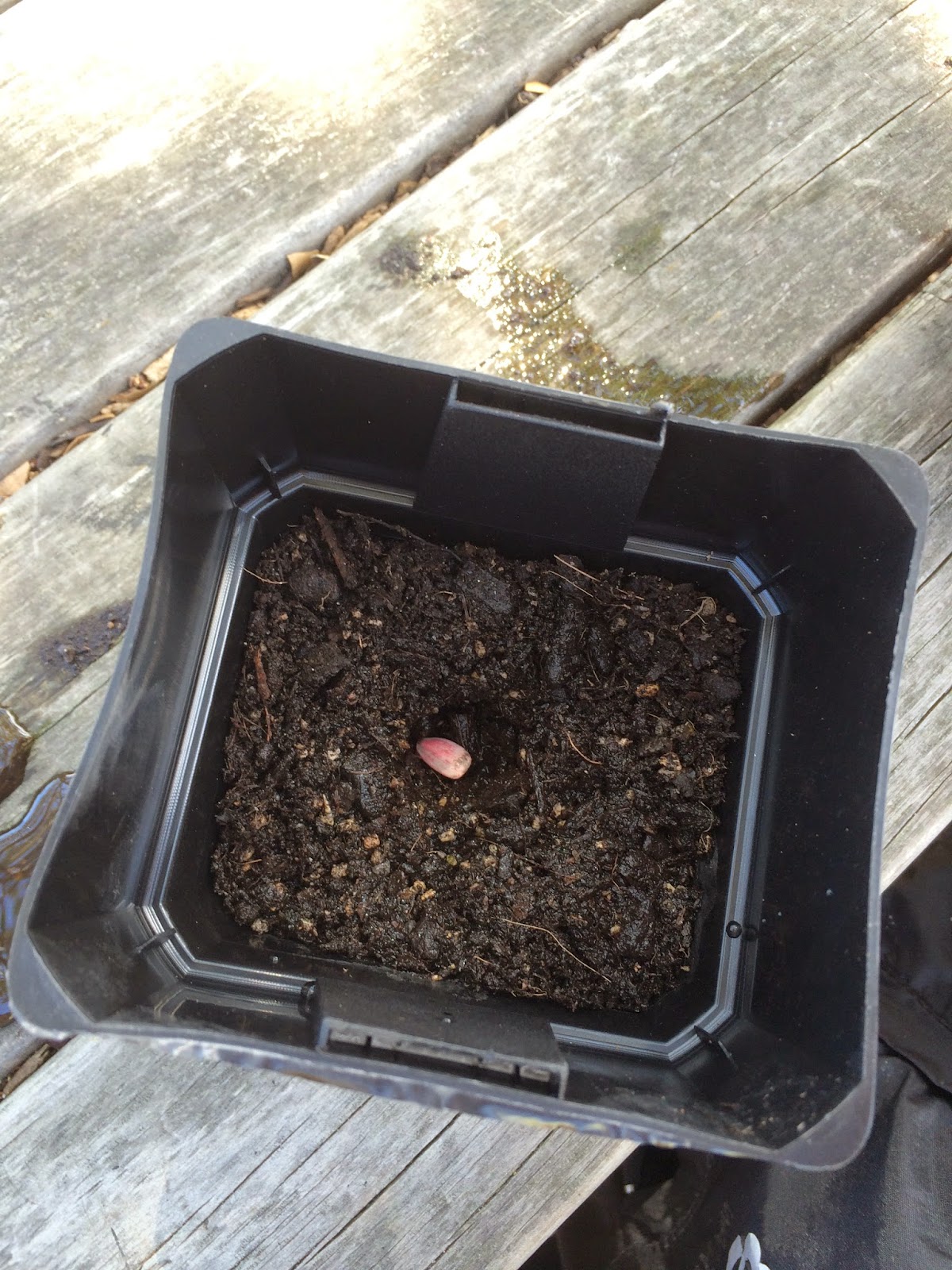
First we put soil in to our pot plants.

We made a little hole for the seed, then put in our seeds. We then covered the seeds with more soil.

Then we watered our seeds.


and then we wait..................................

Monday, 23 February 2015

Waitangi

Waitangi was about the Maori and the English signing a contract. We also looked at traditional clothing that Maori wore. In the photos, we pretended that we were signing a contract, around us are items that belong to settlers.
This korowai is 150 years old, and it is made out of kiwi feathers. We learnt that korowai are made of feathers, wool, string, flax and other resources from plants or animals.
We hope you like our photos!


Monday, 9 February 2015

Back to work!


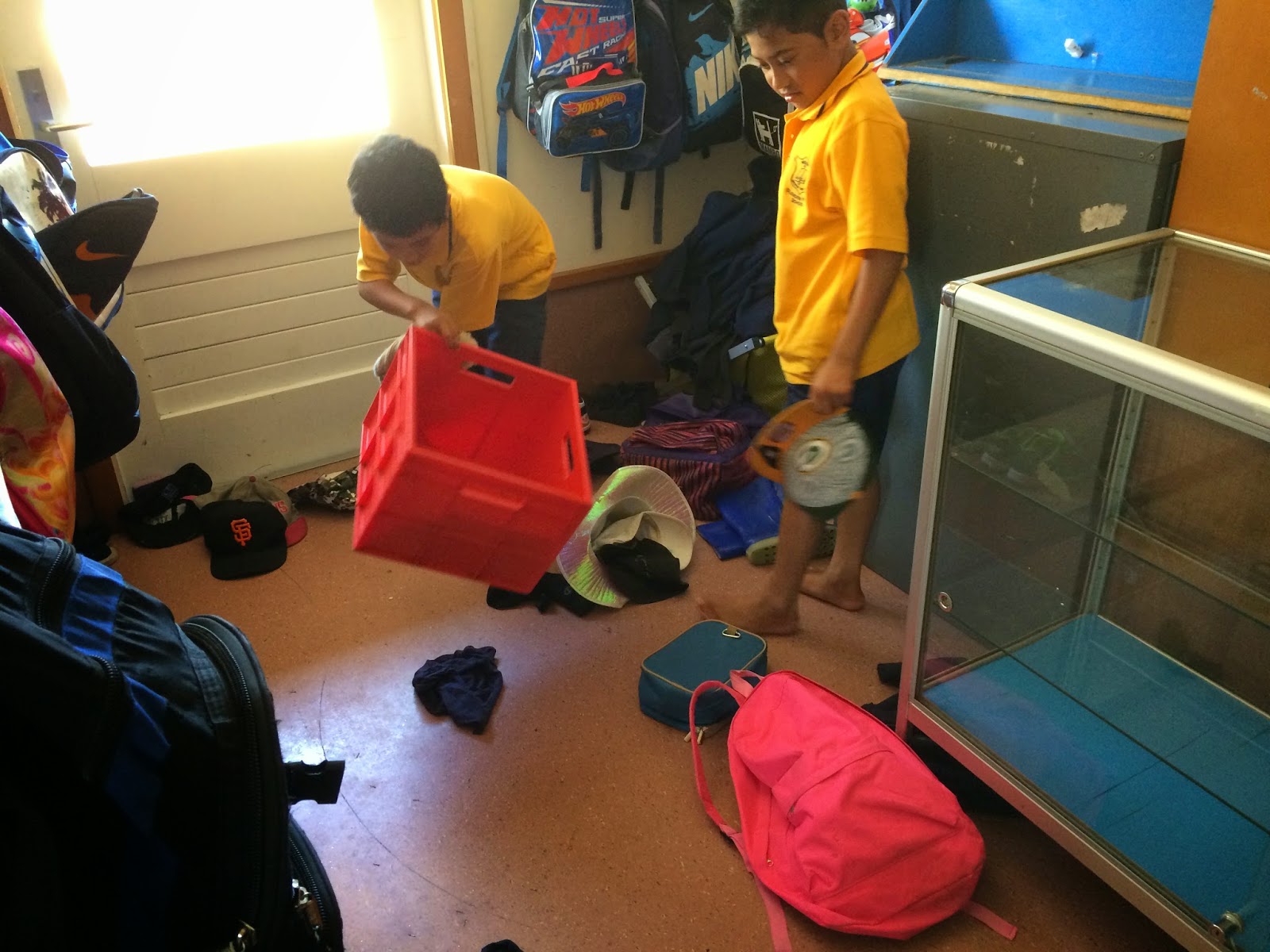
We have settled in so well, that we thought we should choose our class jobs. Whaea Kiri made a mess of the classroom so we could find our job and show Whaea Kiri that we would be very good at it.